
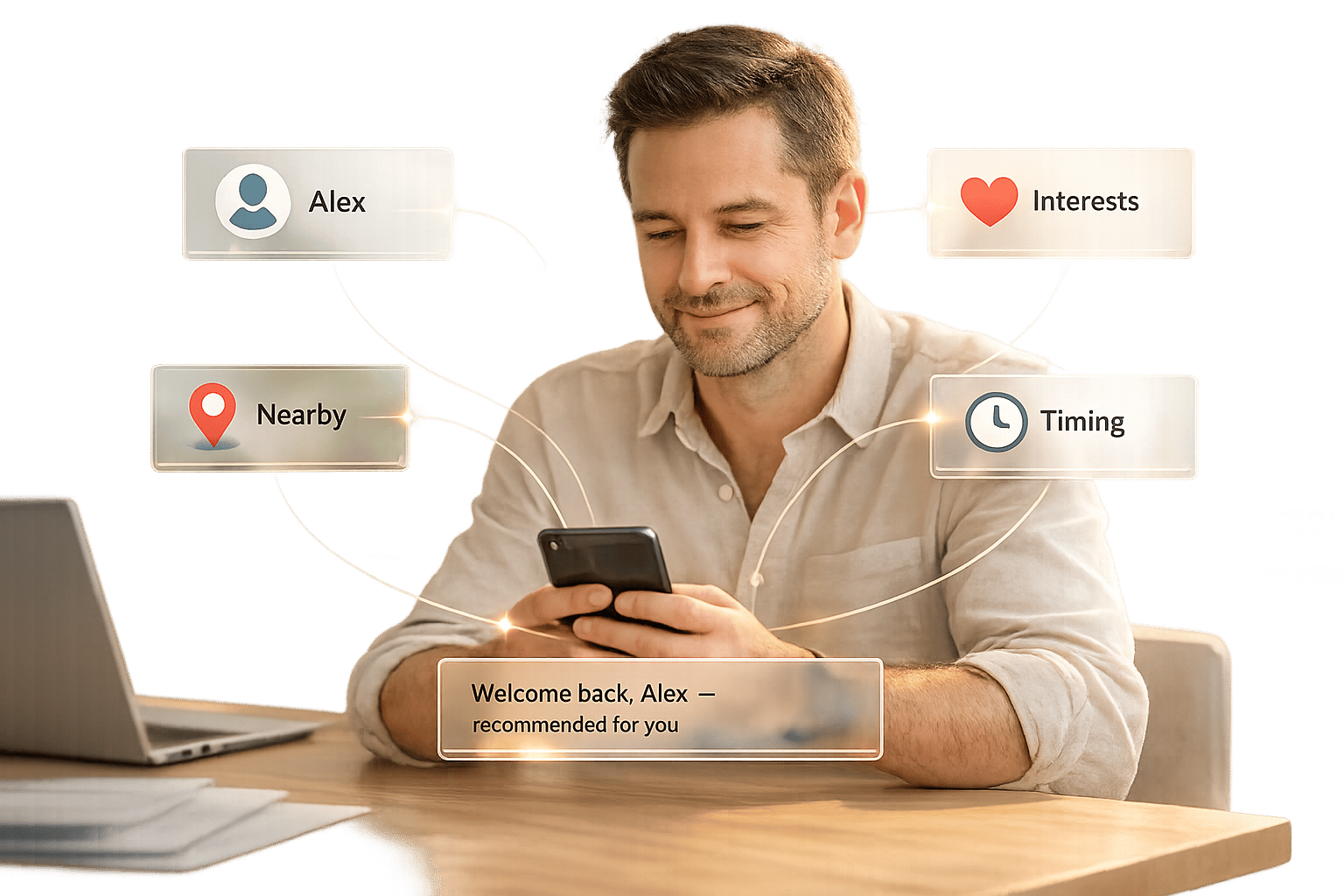
In today’s hyperconnected digital landscape, customers are inundated with thousands of messages every day. For marketing managers and business owners, the challenge isn’t simply to cut through the noise but to connect in ways that feel personal and meaningful. Magdalena Scaram, an expert in e-commerce marketing and automation, offers a compelling perspective on how businesses can utilize marketing automation for smart personalization. Her insights underscore the importance of building trust and delivering real value, all while ensuring technology doesn’t diminish the human touch.
This article explores key strategies and actionable insights shared by Magdalena, providing a roadmap for organizations to enhance customer relationships and drive growth with smart automation.
Why Personalization Matters More Than Ever
The days of one-size-fits-all marketing are long gone. As Magdalena highlights, customers no longer accept generic communication - they expect brands to understand them, anticipate their needs, and interact at the right time and with the right message. Personalization has become a non-negotiable.
The Data Behind Personalization
- Customer Expectations vs. Delivery: A staggering 71% of consumers expect personalized experiences, yet 76% feel frustrated when brands fail to meet these expectations.
- Message Overload: On any given day, individuals encounter somewhere between 4,000 to 15,000 commercial messages. To stand out, personalization must be thoughtful, relevant, and well-executed.
Magdalena likens successful personalization to the experience of visiting a favorite local coffee shop. Imagine a barista who remembers your last trip or favorite order - it’s a small but powerful way to build loyalty. Translating that level of care into digital experiences is the essence of smart personalization.
sbb-itb-daf5303
What Is Smart Personalization?
At its core, smart personalization combines a human-centered approach with data-driven insights to deliver one-to-one customer experiences at scale. This goes far beyond basic tactics like inserting a customer’s name in an email subject line. Instead, it involves adapting to customer behaviors, intents, and contexts dynamically.
The Pillars of Smart Personalization:
- Behavioral Insights: Understanding what customers do - browsing patterns, purchase history, or interaction preferences - provides a clearer picture of their needs.
- Intent and Context: Tailoring messages based on a customer’s real-time goals or circumstances adds relevance.
- Dynamic Adjustments: Personalization strategies must be flexible and responsive to evolving customer behavior.
Magdalena illustrates this with the example of a pet store owner. Imagine the owner recommending new adult dog food and toys suited for stronger jaws, recalling that your dog is now a year old. This level of attentiveness builds trust and, in turn, drives sales.
Collecting and Leveraging Data: The Foundation of Personalization
Where to Collect Data
To deliver meaningful personalization, you need high-quality, well-structured data. As Magdalena explains, data can be collected from a variety of sources, including:
- Websites: Forms, event tracking (e.g., page views, purchases, abandoned carts).
- Apps: Screen views, push interactions, and in-app behavior.
- Emails & SMS: Opens, clicks, and interactions.
- Social Media: Engagement data from platforms like Instagram or Facebook.
- Offline Channels: Loyalty programs or in-store interactions.
Analyzing the Data
Collected data is only as valuable as the insights you extract. Most marketing automation tools now include AI-powered analytics, enabling marketers to identify patterns and predict behaviors. Magdalena emphasizes the importance of validating AI results, borrowing her father’s mantra: "Love and trust, but always check."
Real-World Examples of Smart Personalization
Seeing the impact of personalization in action can inspire businesses to rethink their own strategies. Here are several standout examples shared by Magdalena:
1. Amazon: Personalized Product Recommendations
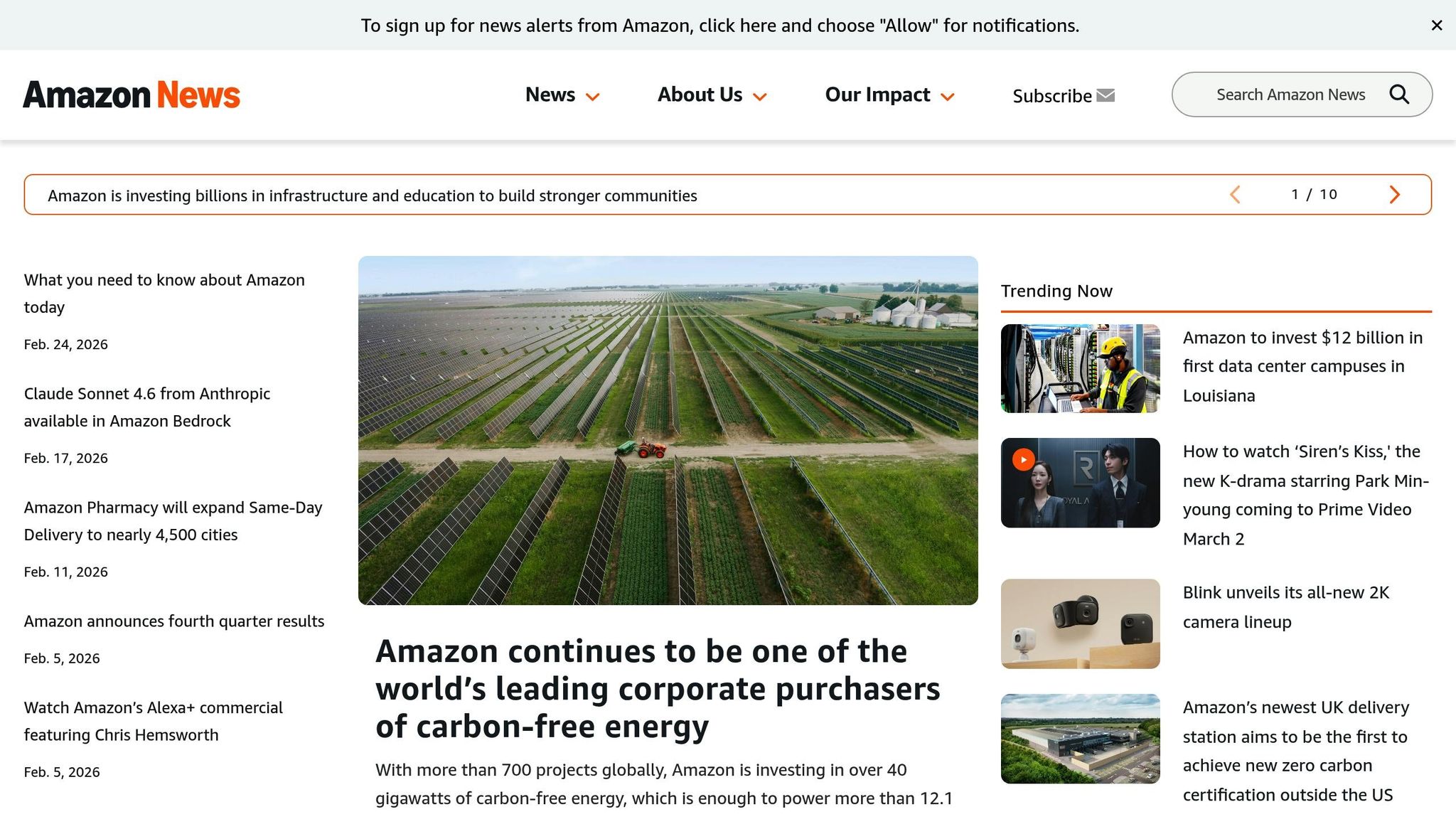
Amazon’s recommendation engine, which suggests items based on browsing and purchase history, generates approximately 35% of the company’s revenue. By leveraging customer behavior data, Amazon creates a shopping experience that feels intuitive and helpful, not overwhelming.
2. Duolingo: Reducing Churn with Tailored Onboarding
When Duolingo implemented a personalized onboarding journey, including push notifications and progress-based encouragement, they achieved a 20% reduction in early churn. This illustrates the importance of nurturing new users with relevant communication, forming habits that enhance retention.
3. Starbucks: Hyper-Personalized Loyalty Program
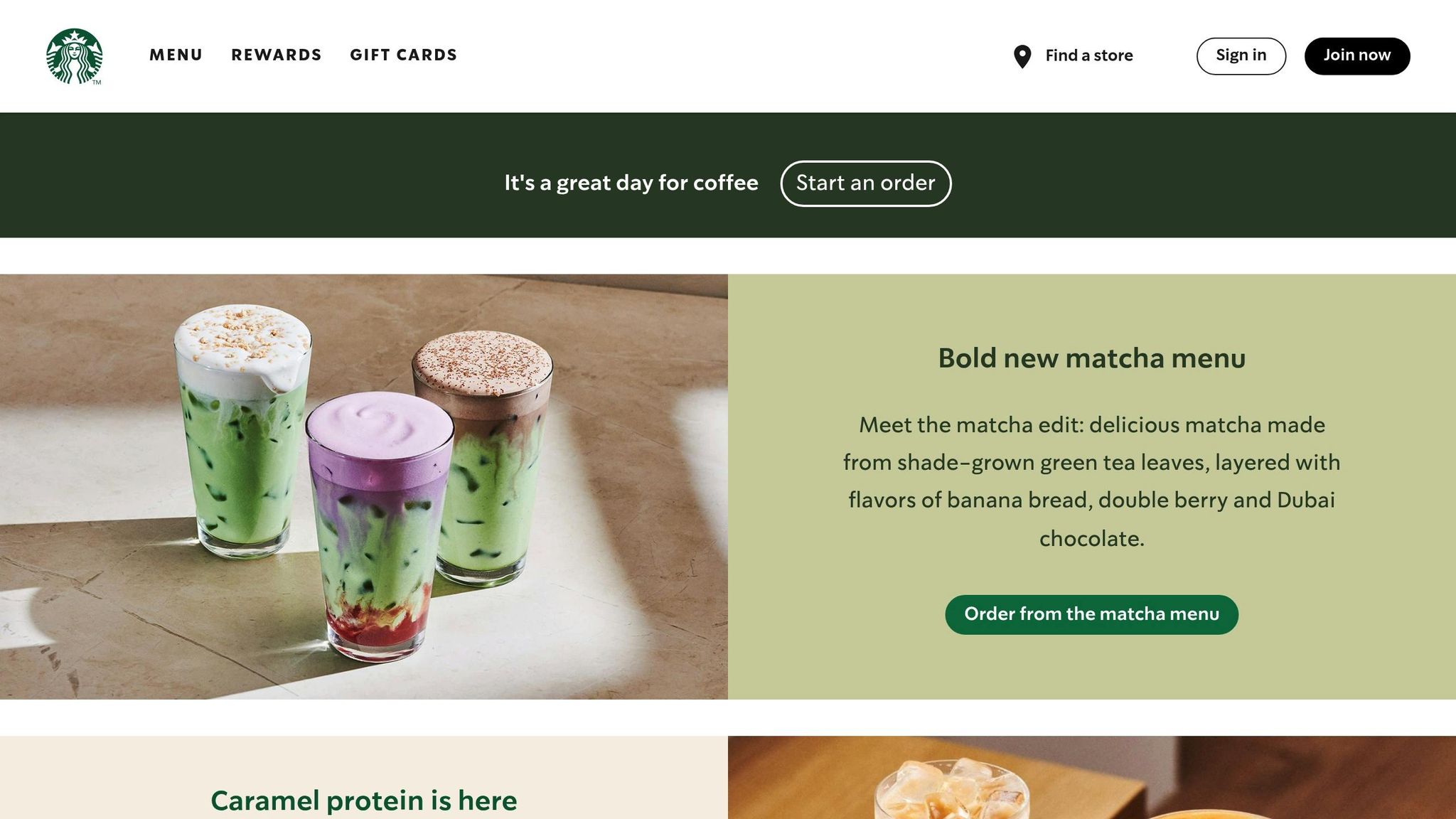
Using location, purchase history, and preference data, Starbucks sends targeted offers that align with individual habits. For instance, a customer who regularly buys a latte at 8 AM may receive a discount notification just before their usual visit. This strategy contributes over $1 billion in incremental annual revenue.
4. Coca-Cola: The "Share a Coke" Campaign
Replacing its iconic logo with common first names, Coca-Cola created a deeply personal connection with customers. The campaign spurred increased engagement, including double the social media interactions in some markets. This example highlights how personalization can succeed offline when supported by digital channels.
Steps to Implement Smart Personalization
To integrate smart personalization into your marketing strategy, follow these practical steps:
1. Understand Your Customers
Gather insights directly from customers, whether through surveys or feedback. Magdalena also stresses the often-overlooked value of internal teams - customer service and sales staff are treasure troves of firsthand knowledge.
2. Design Customer Journeys Thoughtfully
Avoid rigid templates for workflows like abandoned cart emails. Instead, tailor your timing and messaging to match your business and audience. For example, a customer deciding on pet food may need quicker follow-ups than one purchasing a big-ticket item like a bicycle.
3. Use Flexible Automation
Not all customers engage the same way. For instance, a new lead from a social media ad may need nurturing, while someone subscribing during a purchase may require immediate post-sale communication. Plan for diverse scenarios and let AI assist where possible, but always test and refine.
4. Analyze and Adapt
Analysis is critical - review campaign performance regularly and act on your findings. Without this step, you risk stagnation. As Magdalena warns, "Without change, you’re not growing."
Trends Shaping the Future of Personalization
Looking ahead, personalization will only grow smarter, driven by advancements in AI and shifting customer expectations. Key trends include:
- Predictive Personalization: AI tools that anticipate customer needs before they express them.
- Real-Time Cross-Channel Coordination: Ensuring seamless experiences across email, SMS, apps, websites, and even in-store interactions.
- Hyper-Personalized Loyalty Programs: Rewards and offers that adapt to individual user behaviors and preferences.
However, businesses must balance personalization with customer privacy, delivering relevance without overstepping boundaries.
Key Takeaways
- Personalization Builds Loyalty: Make customers feel understood. This fosters trust, which leads to long-term growth.
- Automation Must Feel Human: Without empathy and relevance, automation becomes noise.
- Data Is the Foundation: Collect and analyze customer data to inform thoughtful, dynamic personalization.
- Focus on Results, Not Outputs: Celebrate outcomes like revenue growth and retention, not the volume of campaigns sent.
- Adaptation is Key: Regularly analyze and refine your strategies to keep improving.
Conclusion
Smart personalization is not just a tool - it’s a mindset. By leveraging automation thoughtfully, marketing managers and business owners can provide real value, deepen customer relationships, and create memorable experiences. As Magdalena reminds us, the ultimate goal is to focus on outcomes that drive lasting growth while respecting the delicate balance between relevance and privacy.
Personalization in the digital age isn’t about data alone - it’s about relationships. And the brands that understand this will be the ones that thrive in the years to come.
Source: "Smart Personalization: Marketing Automation That Builds Relationships" - E-Commerce Growth Meetup, YouTube, Oct 2, 2025 - https://www.youtube.com/watch?v=mFhL-mvbGG0
Related Blog Posts

